
A Guide
What are smart glasses?
Smart glasses combine a normal-looking frame with a camera, microphone, AI assistant, and sometimes a built-in display — putting information in front of your eyes instead of in your hand. They're the fastest-growing category we distribute, and the one most people have the most questions about. Here's a short guide.
What they're used for
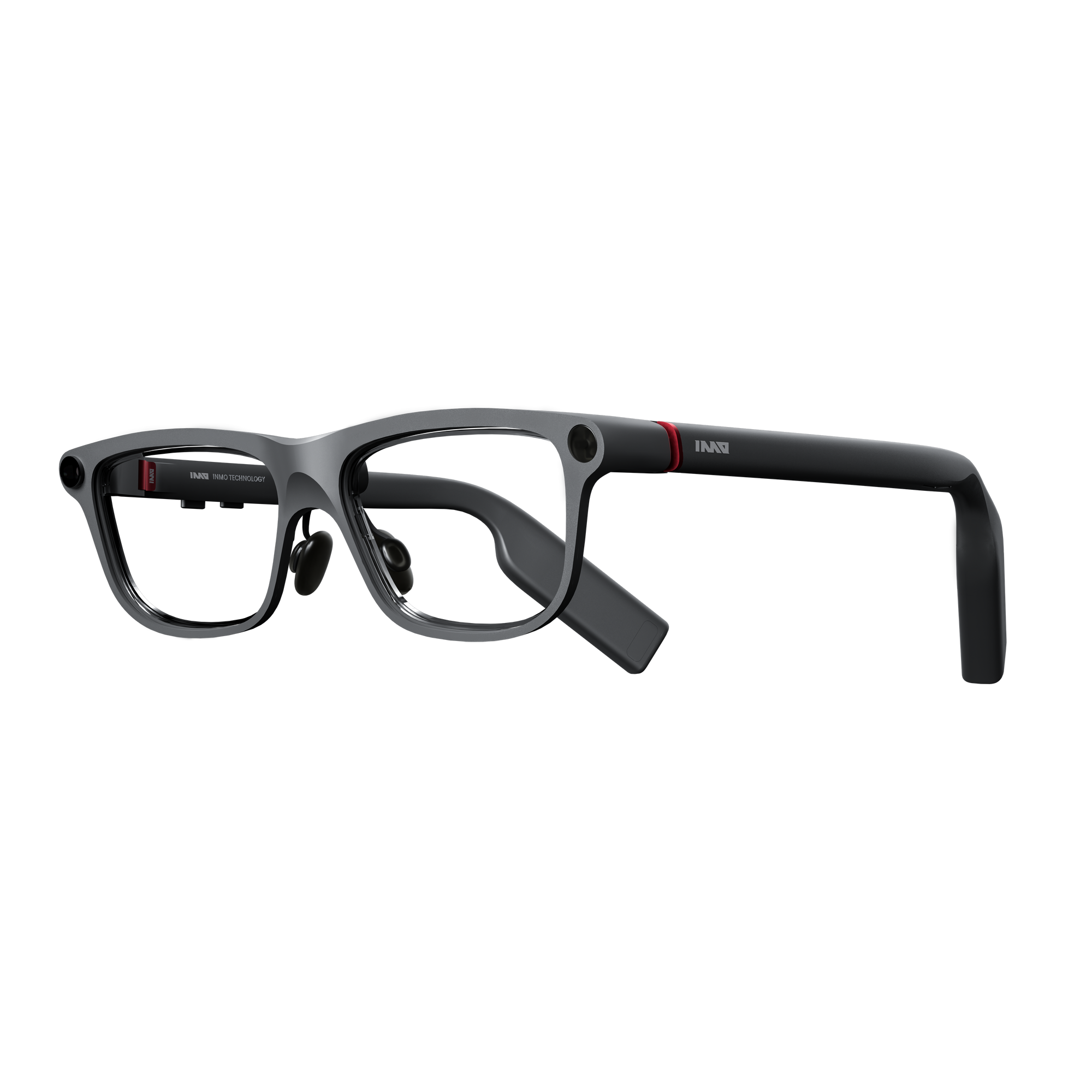
Real-time translation
Live captions of a conversation appear directly in your field of view, in 90+ languages on some models — no phone, no earpiece.
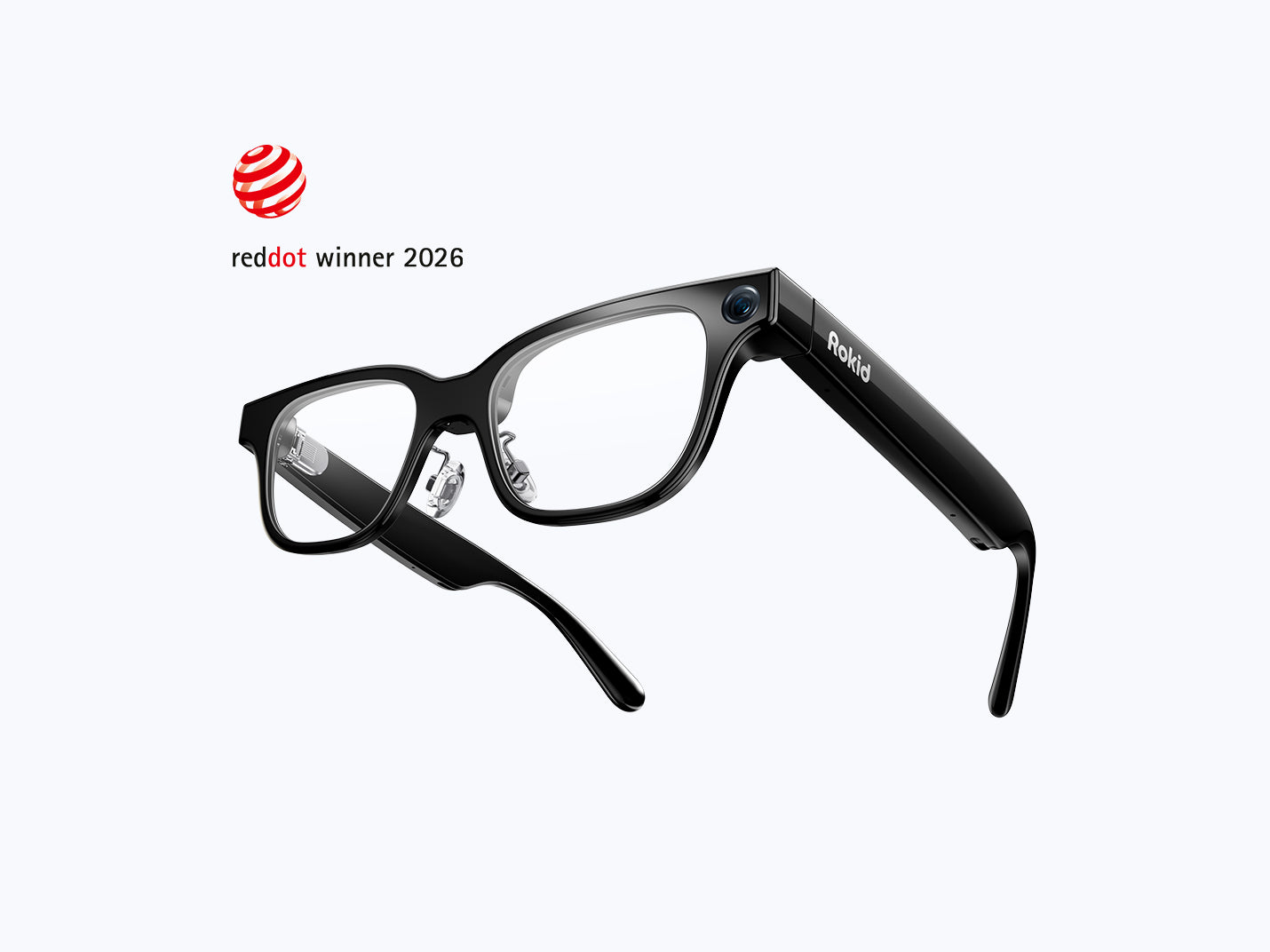
Hands-free navigation
Turn-by-turn directions overlaid on the real world, so you look up instead of down at a screen.
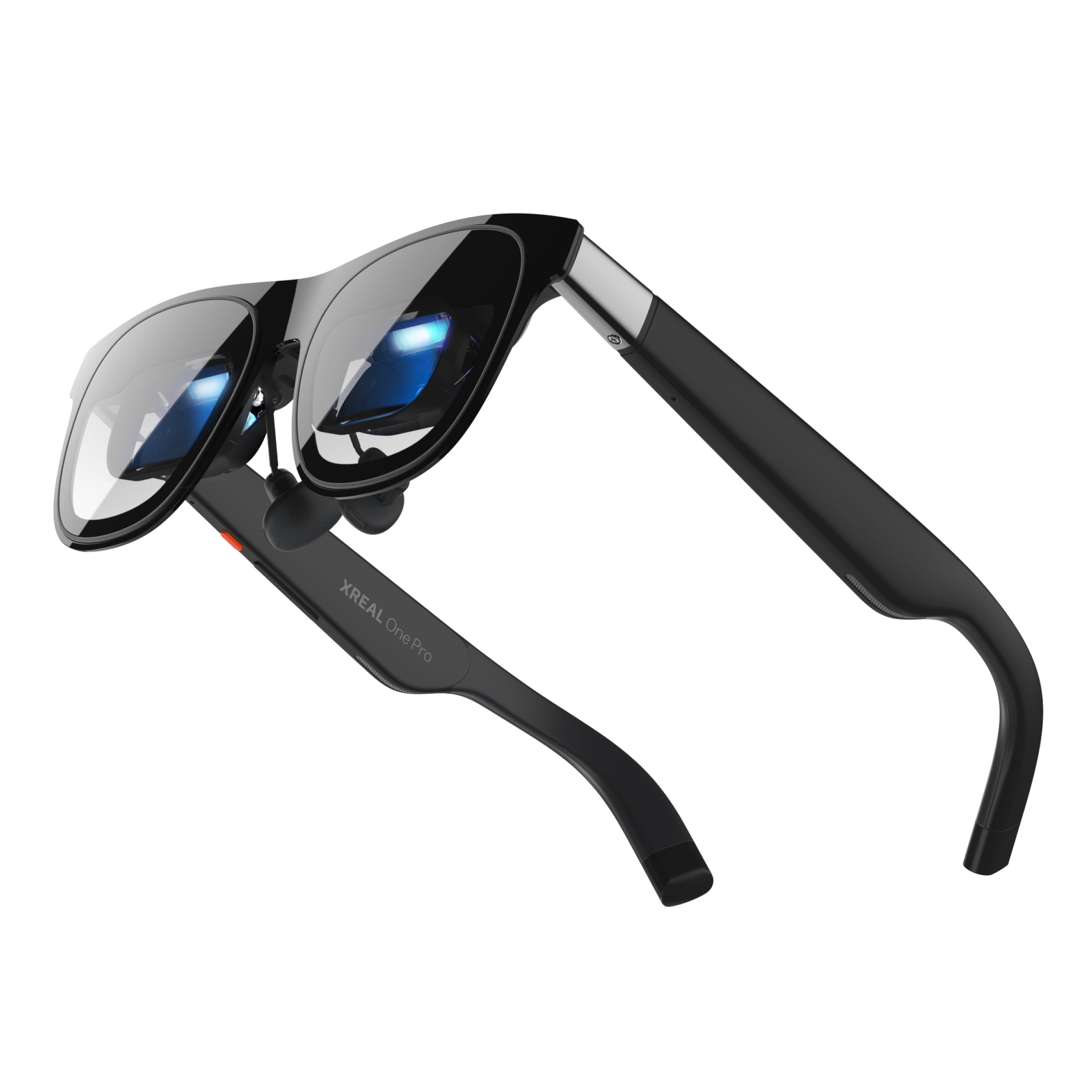
A private, giant screen
AR display glasses project a virtual screen — up to 200+ inches — for video, work, or gaming, visible only to the wearer.
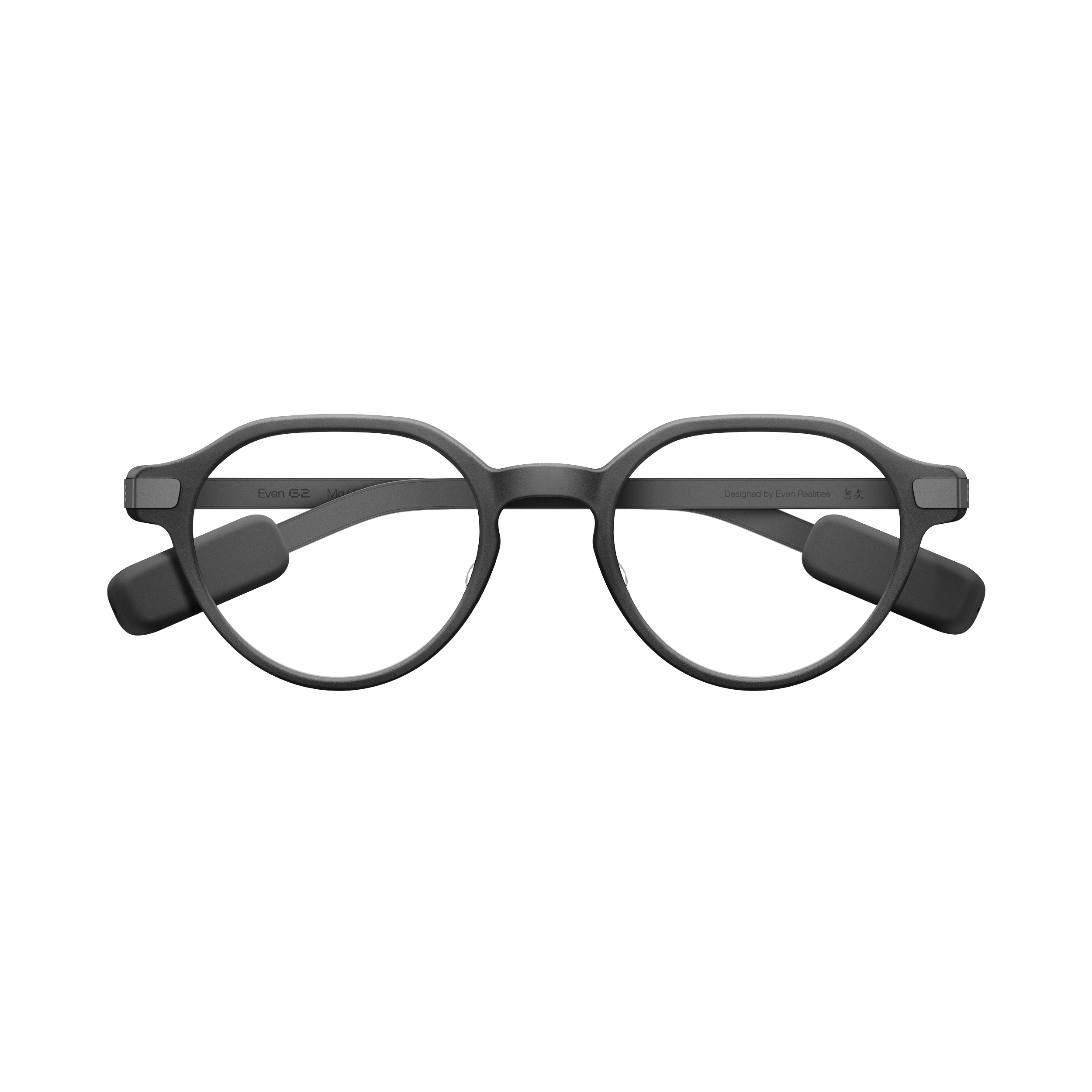
Meeting notes & teleprompter
Automatic transcription and an on-lens teleprompter keep you present in the room instead of behind a laptop.
Three kinds of smart glasses
AR Display Glasses
Glasses with a built-in micro-display that projects a virtual screen over your vision — for entertainment, gaming, and productivity. Usually tethered to a phone, console, or laptop.
Xreal, Viture, RayNeo, Rokid Max
AI Glasses (non-display)
Everyday-looking eyewear with a camera, microphone, and AI assistant, but no screen — built for voice interaction, translation, and hands-free capture rather than visuals.
Even Realities, INMO GO3, Rokid AI Glasses Style
Spatial & Mixed Reality
Higher-end headsets or glasses with spatial tracking, letting digital objects anchor to real-world space rather than just floating in front of you.
Rokid AR Spatial, RayNeo X3 Pro
Multiple brands, every category, one place to source them.
Browse All Brands →